

Selecting a protective cap or plug may seem straightforward, but choosing the best solution for your application involves much more than simply matching dimensions.
The right part can protect valuable components during manufacturing, shipping, storage, finishing, and assembly while helping reduce damage, rework, and unnecessary costs.
At StockCap, helping customers select the most effective protective solution is what we do every day. Whether you’re protecting precision threads, sealing an opening, masking a surface, or preparing components for shipment, our specialists can help identify the product best suited for your application. Many times this aids in saving time, reducing costs, and eliminating unnecessary custom tooling.
Start with the Basics: Cap or Plug?
The first question is simple.
Protective Caps
A cap fits over an object to protect external surfaces.
Protective Plugs
Plugs fit inside an opening to protect internal surfaces.
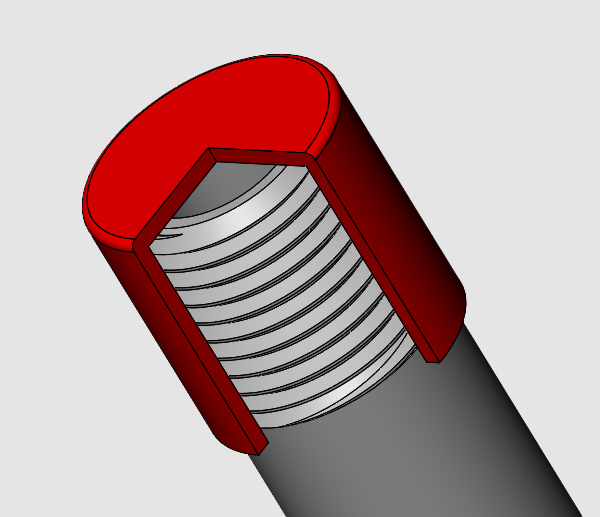
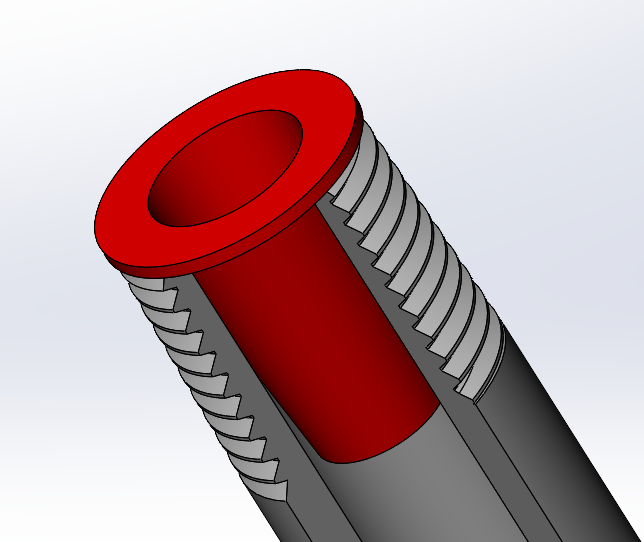
Step 1: Measure Carefully
Proper measurements are the foundation of selecting the correct part.
Measuring for Protective Caps
When selecting a cap, you’ll typically need:
- Outside diameter of the part being covered
- Length of the area requiring protection
Since caps fit over an object, measure the outside diameter of the component—not the opening. Then determine how much of the component needs to be protected.
Choosing excessive length may add unnecessary cost, while insufficient coverage may leave critical areas exposed.
Measuring for Protective Plugs
When selecting a plug, you’ll generally need:
- Inside diameter of the opening
- Depth available inside the part
Because plugs fit inside an opening, the inside diameter is the most important measurement. Components with thicker walls often have much smaller openings than their outside dimensions suggest.
The plug should provide a secure fit without bottoming out or extending beyond the available depth.
Measuring Tips
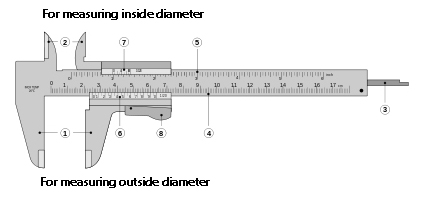
For the most accurate results, use a caliper whenever possible. Measuring inside and outside diameters accurately helps ensure proper fit and minimizes installation issues.
Step 2: Select the Right Material
The material you choose often depends on the environment your part will experience.
Vinyl
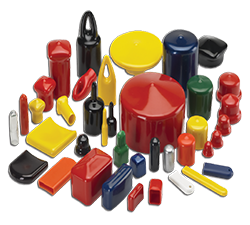
Vinyl caps and grips are known for their flexibility and ease of installation.
Depending on the formulation, vinyl can provide:
- Soft to rigid hardness options
- Various surface finishes
- Multiple gloss levels
- Standard and custom colors
Vinyl is an excellent choice when flexibility and appearance are important.
Rubber
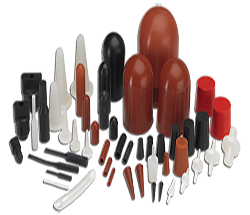
Silicone and EPDM are ideal when demanding environments require greater heat or chemical resistance.
These materials offer:
- High-temperature performance
- Chemical resistance
- Reusability
- Long service life
- Solid construction without contamination concerns
Rubber products are frequently selected for masking, finishing, and industrial processing applications.
Plastic
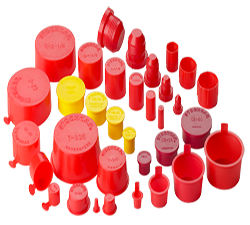
Low Density Polyethylene (LDPE) provides greater rigidity than vinyl or rubber and supports many specialized designs.
Common features include:
- Threaded styles
- Flanged designs
- Pull tabs
- Tear tabs
- Vented options
- Locking features
LDPE is frequently selected when durability, precision fit, and specialized functionality are priorities.
Step 3: Consider What You’re Protecting
Protective caps and plugs perform many different functions beyond simply covering an opening.
Common protection needs include:
Thread Protection
Prevent damage to external or internal threads during manufacturing, storage, and shipment.
Paint & Powder Coating Masking
Protect critical surfaces during finishing operations while allowing exposed areas to receive coatings.
Dust & Debris Protection
Keep contaminants out of tubes, fittings, ports, and precision-machined components.
Shipping Protection
Prevent scratches, dents, contamination, and impact damage while products move through the supply chain.
Process Protection
Many manufacturing operations—including machining, plating, washing, blasting, and assembly—benefit from temporary protective components.
Step 4: Think About the Entire Application
Every application presents unique requirements.
Questions to consider include:
- Will the part experience elevated temperatures?
- Is chemical resistance required?
- Will the cap or plug be reused?
- How easily must it be installed or removed?
- Does it need to stay securely in place during transportation?
- Are cleanliness or contamination concerns important?
- Will it be used during painting or powder coating?
- Are there industry-specific quality or compliance requirements?
The answers to these questions often determine which material, design, and style will perform best.
Industries That Rely on Protective Caps and Plugs
Protective caps and plugs are used throughout manufacturing to protect components, reduce defects, and improve product quality.
StockCap products serve applications across numerous industries, including:
- Industrial Manufacturing
- Automotive
- HVAC
- Aerospace & Defense
- Electrical & Electronics
- Fluid Power & Hydraulics
- Data Center Cooling & Thermal Management
- Medical Equipment
- Powder Coating & Finishing
No matter the industry, protecting components early in the manufacturing process helps reduce costly damage later.
Need Help Selecting the Right Product?
With thousands of standard caps and plugs available in multiple materials, sizes, and styles, choosing the best solution can sometimes feel overwhelming.
Fortunately, you don’t have to make the decision alone.
Our product specialists work with engineers, buyers, and manufacturers every day to recommend protective solutions based on dimensions, materials, environmental conditions, and application requirements.
If you are interested in saving time, reducing costs, and eliminating unnecessary custom tooling, contact us today. Whether you need a standard stock item or assistance developing a custom solution, we’re here to help.
Contact StockCap today for expert guidance in selecting the protective cap or plug that’s right for your application.